



25 Nov Hone: How the best teams improve campaigns without starting over
Performance improves when you refine what the market has already told you, not when you start again. I find myself thinking about something a marketing director said to me recently: ‘We rewrote the whole campaign in January, and by March we were back where we started.’ It is a frustration I hear often. The effort is real, but the progress is not.
Most teams respond to weak results by changing things. But one thing we’ve learned is that change and improvement are not the same. Improvement needs something to build on. We saw this with a prospective client who had relaunched their outreach three times in a year. Each version had a fresh tone and a fresh offer. Nothing learned from one carried into the next.
They had a core solution, but initially went to a market that wasn’t the right time to sell to because they were busy with other things. The second market they tried was then a market that, once investigated more, didn’t have the funding or enough requirements. Finally, the third market was a good market, but by this time their funding had run out, and they had to stop.
They had changed everything. They had learned nothing.
Why iteration beats reinvention
Reinvention starts from a blank page. Iteration starts from evidence. When results dip, a rewrite feels decisive. But it throws away what was working and leaves you unable to say why the next version performed differently.
What hone means in our reach approach
In our reach approach, hone is the continuous improvement loop. You refine your messaging and approach using real market feedback, so performance builds instead of resetting every quarter. It has two parts: refining the wording, angle, offer and sequence, and feeding what you learn back into the planning work behind the campaign.
What to measure, and what to ignore
Keep the measures few and tied to outcomes: reply rate from target personas, meetings booked from qualified conversations, progression into pipeline, and conversion by segment. Clicks and opens can help diagnose a problem. They rarely show whether the campaign is working. The words prospects use in replies and on calls often tell you more.
A simple rhythm
Weekly, review replies and call notes, then choose one change to test. Monthly, look at outcomes by segment and update the messaging across every channel. The most common mistake I see is changing too many variables at once. You cannot tell which one made the difference.
A simple test is this: could you name the one thing you changed last month, and what happened as a result? If not, you are changing, not honing.
What would you hear if you read last month’s replies? Which objection comes up most, and could you answer it earlier? Which segment converts best, and why? What does ‘better’ mean for the next 30 days?
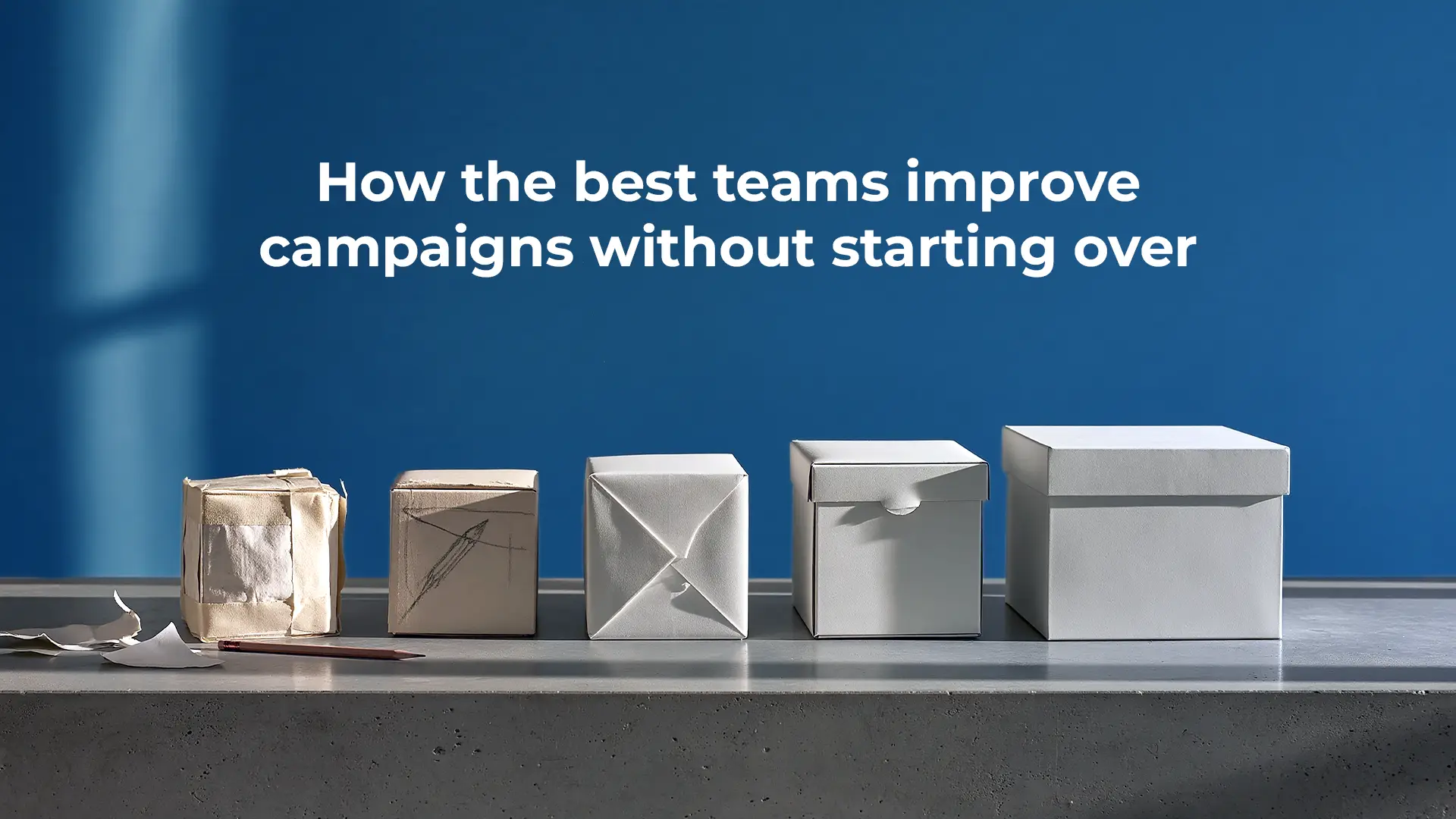
For me, the lesson from hone is straightforward: campaigns improve when you keep what the market has confirmed and change one thing at a time. Progress is built, not restarted.
If you would like to look at how this could work for your campaigns, get in touch with Incognate for a conversation, with no obligation.